
Author’s Vision
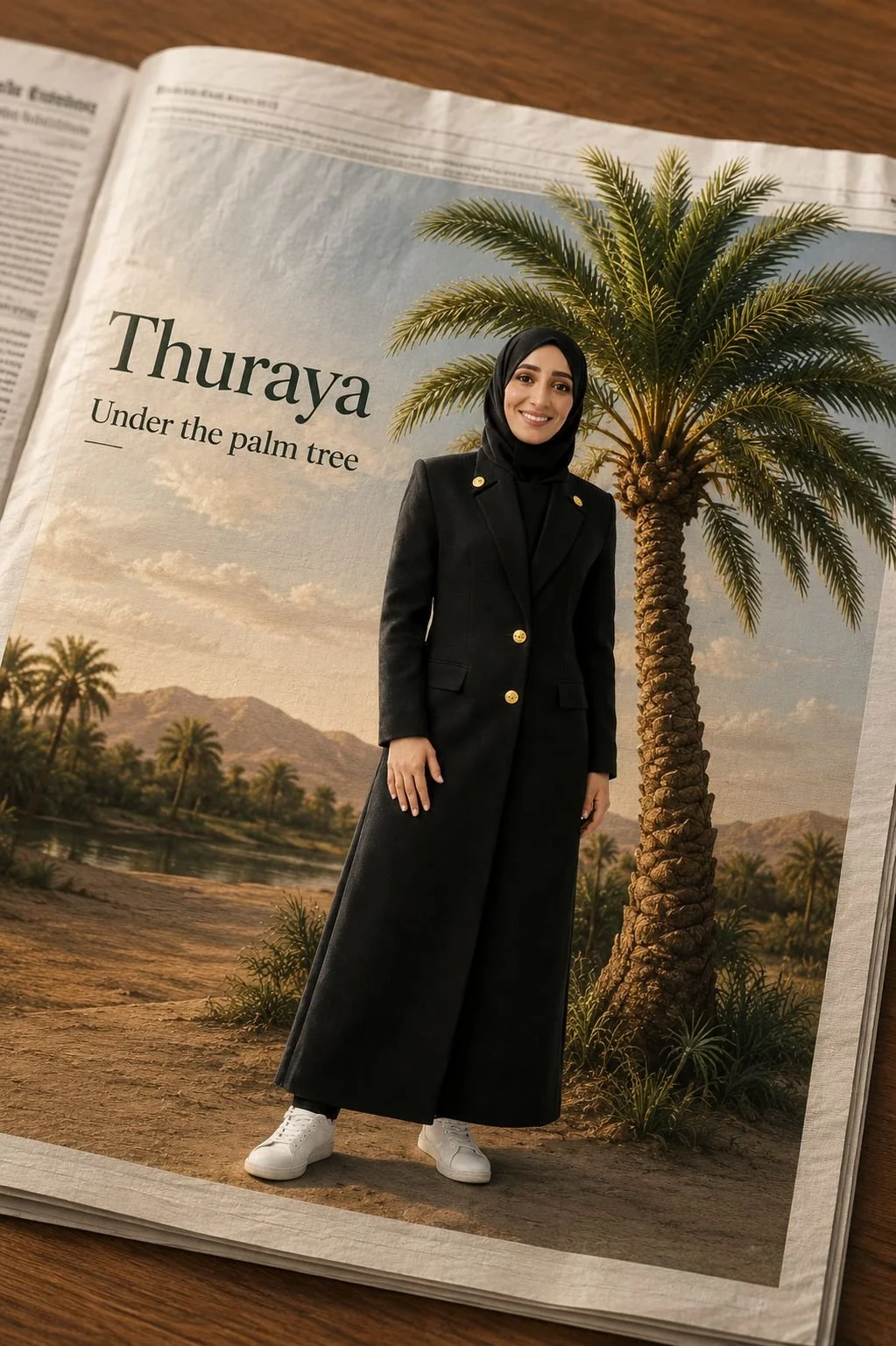
Hello! from the shadows of the palms
THE PALM TREE VISION
UNDER THE PALM TREE is a heritage-based English-learning project created to transform the way language is experienced by young learners in Oman. Rather than separating education from culture, the project connects English learning with storytelling, memory, music, traditional games, village life, creativity, and human emotion.
The visionof the project is to build an immersive educational world where learners do not simply memorise vocabulary or grammar rules, but live the language through meaningful stories, interactive experiences, pronunciation practice, songs, exploration, and culturally rooted activities inspired by Oman.
By combining technology, narrative-based learning, interactive media, and artistic design, UNDER THE PALM TREE aims to create a new model of English education that is emotionally engaging, visually memorable, culturally authentic, and accessible to different types of learners.
The project aspires to preserve identity while opening doors to global communication, helping learners develop confidence, curiosity, creativity, and a lifelong connection with language and learning.
About The OLICA
OLICA AND PALM TREE
OILCA is a holistic English language learning approach designed to create meaningful and culturally connected learning experiences for Omani learners. It combines language education with storytelling, creativity, communication, technology, and interactive exploration, allowing students to experience English as part of real life rather than as isolated grammar exercises.
The approach focuses on making English emotionally engaging, visually memorable, and connected to the learner’s identity. Through stories, games, dialogue, music, projects, role-play, and immersive digital environments, learners develop language naturally while interacting with meaningful content inspired by Omani culture and heritage.
OILCA encourages communication, critical thinking, creativity, collaboration, and confidence. It supports learner-centered education where students actively participate in discovery, exploration, and problem-solving instead of relying only on memorization and repetition.
Technology also plays an important role within OILCA. Interactive media, multimedia storytelling, AR/VR experiences, digital activities, and educational games help create flexible and immersive learning environments that support different learning styles and abilities.
A central strength of OILCA is cultural relevance. By integrating elements such as Omani villages, palm farms, falaj systems, traditional markets, local stories, and heritage-inspired experiences, English learning becomes more familiar, meaningful, and emotionally connected to students’ daily lives and cultural identity.
OILCA also aims to prepare learners for global communication while preserving local identity and values. The approach creates a balance between modern educational innovation and respect for Omani heritage, helping students become confident English users who remain deeply connected to their culture.
Although OILCAoffers rich educational opportunities, successful implementation may require teacher training, digital resources, interactive materials, and continuous educational support. With proper planning and collaboration, the approach can create a modern and inspiring model for English language education beneath the palm shadows.